
Proper filtration and aeration are essential to running a healthy aquarium but they can also be quite complicated and many people don't know where to begin. Not only is it important to make sure your fish get enough oxygen, it's also important to keep their environment clean. All your fish's waste products go directly into the water where they live, so good filtration is needed to prevent them from being poisoned by a build-up of toxins.
Different Types of Filtration
Whilst you'll see lots of different types of filter on the market, the methods which they use break down into three simple categories:
Mechanical filtration - This works by straining out waste particles from the aquarium water. All the water is passed through a filter medium such as a sponge to extract the waste. This medium needs to be cleaned or replaced regularly. Mechanical filters cannot remove dissolved ammonia from the aquarium water and they are not effective at cleaning up particles of waste too large to be carried in the water.Chemical filtration - This works by providing filter medium which bonds at a molecular level with problematic chemicals in the water. Most chemical filters use activated carbon. They are very good at removing ammonia, but you may still need to use physical methods like siphoning to keep your aquarium looking neat. Sometimes aquarists use protein skimming, a method in which waste chemicals are drawn to the surface using bubbles to form a scum which can be skimmed off.Biological filtration - This works by encouraging the development of colonies of friendly bacteria which break down the fish's waste products as part of their natural cycle. It's a very efficient process but may become less effective if your tank is crowded. Some medicines which you may use to treat your fish can kill the bacteria needed for this process, as can water sterilisation techniques using ozone or UV radiation.
Calculates safe fish stocking levels based on tank size, filtration, and species bioload.
Try our Aquarium Stocking Calculator free, here on this site →Your situation may be slightly different. ask a question below ↓ and our editorial team will reply with our advice.
Oxygenation
The processes of filtration and aeration are often discussed together not just because they both relate to water chemistry but because they can often be managed using the same devices. For instance, the most popular type of filter is the corner filter, which sits inside the aquarium and treats water which is passed through it by a pump. In doing so it increases the amount of free oxygen trapped within the water. This is particularly important in warm water aquariums, as the warmer the water is, the less oxygen it will hold.
The general rule for small and medium sized aquarium fish is that one cubic inch of fish will require four square inches of tank surface area in order to have enough oxygen. It doesn't matter what the volume of the aquarium is - the surface is where the oxygen exchange between air and water takes place. Using air pumps effectively increases the surface area of your tank (think of the area around each bubble as an extra bit of surface), increasing the number of fish you can keep in healthy conditions. Fish often enjoy the bubbles and currents created by air pumps. However, small bubbles can sometimes become trapped underneath scales, causing painful inflammation. Younger fish are particularly vulnerable to this, so if you think it might be a problem in your aquarium then you should look for a pump which creates bubbles only inside a tube which the fish cannot access.
If there isn't enough oxygen in your tank, your fish will gasp at the surface. Listlessness or frequent outbreaks of disease can be signs of poor water chemistry. In any such case, it's important to check that your filtration and aeration set-up is working properly. Systems of this sort can be arranged cheaply and easily and will help you to keep your aquarium in tip top condition.
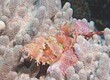


She looks bloated, maybe egg bound, she has laid eggs 2xs before. I bought a Golden Angel fish that turned out to be a male, he just died. I'd like to know what I can do to help her. So can you tell me what I can do.
Thank you.
Ask Tropical Fish Expert a question
Ask our editorial team a question and we will reply with our advice. Tell us as much about your situation as you can: the more detail you give, the more useful our answer can be.
You do not need to use your real name. Please do not include your full address, phone number, email address, or the names of other people. We may edit or remove identifying details for privacy and legal reasons.
Comments are moderated before publication.